
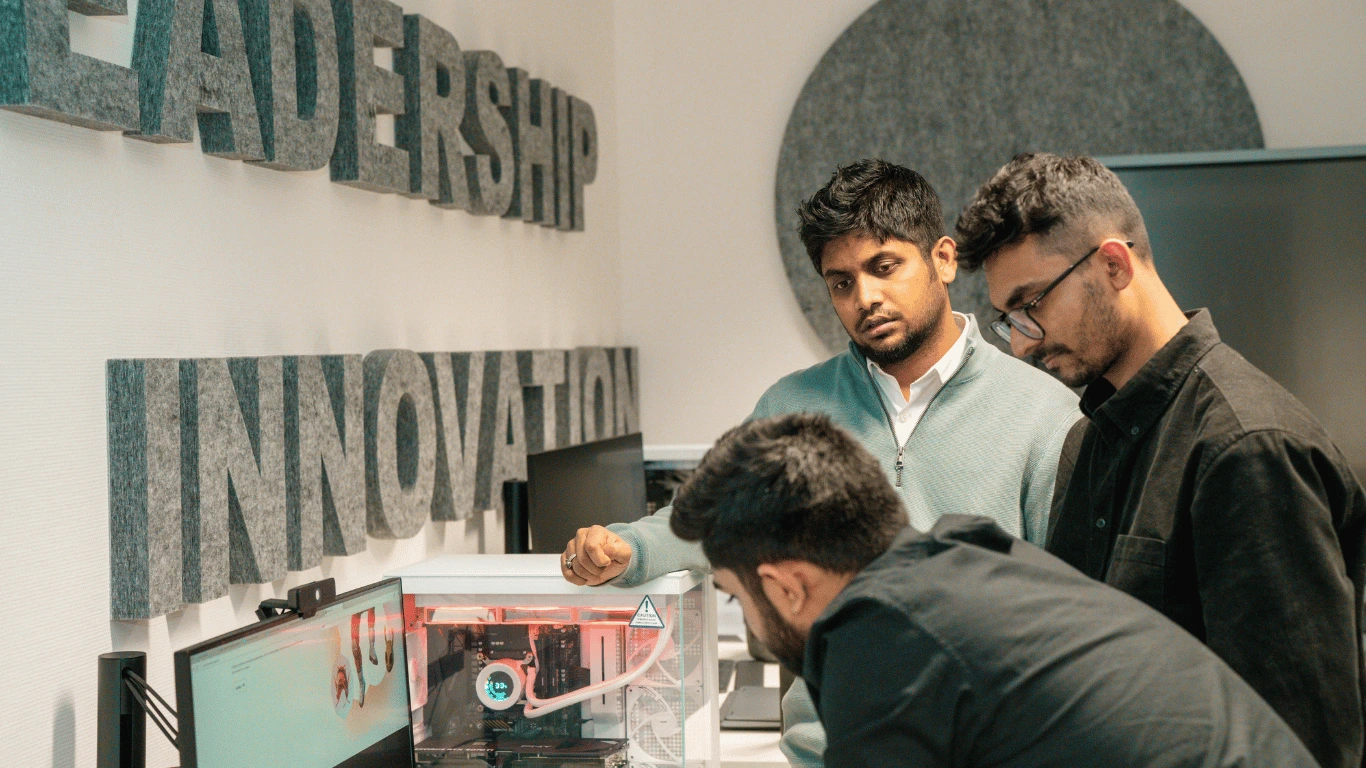
 Indian talent is reshaping the global tech industry in unprecedented ways. From OpenAI to Apple, a new generation of Indian-origin leaders is taking charge of the world’s most powerful technology companies. This isn’t just about representation anymore. It’s about Indians driving strategy, scaling AI infrastructure, and running massive global operations.
The story extends beyond Sundar Pichai and Satya Nadella now. Moreover, this leadership wave is creating ripple effects across India’s startup ecosystem. Indian entrepreneurs are watching their counterparts succeed globally. Consequently, they’re building more ambitious ventures at home.
Meanwhile, Indian companies are making bold moves too. From pharma to payments, domestic firms are challenging global giants. This combination of global leadership and local innovation is reshaping India’s economic future.
The New Power Circle: Indian Leaders Taking Charge
Silicon Valley’s leadership map has expanded dramatically. Indian-origin executives now hold critical positions across major tech companies. They’re not just filling roles. Additionally, they’re shaping the future of artificial intelligence and technology.
The list includes leaders at OpenAI, Anthropic, and Tesla. Furthermore, Indians are running key operations at Uber and Apple. This represents a fundamental shift in global tech power dynamics. The influence extends beyond individual companies to entire industries.
For instance, these leaders are making decisions worth billions of rupees. Their strategies affect millions of users worldwide. However, their success also opens doors for Indian startups. Global investors are increasingly looking at Indian talent pools.
Home Essentials Secures ₹63 Crore in Fresh Funding

Indian startups continue attracting serious investor attention. Home Essentials raised $7.6 million (approximately ₹63 crore) in new funding. The round was led by 360 ONE Asset with support from India Quotient. This demonstrates continued confidence in India’s direct-to-consumer sector.
The startup plans aggressive expansion ahead. Here’s what the funding will support:
- Opening 20 physical stores across tier 1 and tier 2 cities
- Expanding kitchen and home product portfolio significantly
- Building omnichannel presence combining online and offline retail
- Strengthening supply chain and distribution networks
Founded just in 2024, the company started online-only. Nevertheless, it’s quickly moving into brick-and-mortar retail. This strategy reflects changing consumer preferences. Indian shoppers want to touch and feel products before buying.
The D2C sector is evolving rapidly in India. Therefore, companies are adopting hybrid models faster. Online-only strategies aren’t enough anymore. Physical stores build trust and brand visibility.
BillDesk Acquires Worldline India for ₹588 Crore
A major consolidation is happening in India’s payments industry. BillDesk is acquiring Worldline’s India operations for $70 million (₹588 crore). This deal reshapes the competitive landscape significantly. French payment giant Worldline is stepping back from direct operations.
However, Worldline isn’t exiting completely. The company will maintain a long-term technology partnership with BillDesk. Its software stack will continue operating in India. This hybrid approach protects existing client relationships.
The acquisition strengthens BillDesk’s market position considerably. India’s digital payments market is growing explosively. On the other hand, competition from PhonePe and Google Pay is intense. Therefore, scale matters more than ever.
For investors, this signals sector maturity. Smaller players are consolidating under larger platforms. Moreover, foreign companies are preferring partnerships over direct operations. The regulatory environment and competition make India challenging.
Aurobindo Pharma’s Bold Antibiotic Gamble
Indian pharma is attempting something remarkable. Aurobindo Pharma is manufacturing penicillin at scale in India again. This hasn’t happened successfully in years. China has dominated basic antibiotic ingredient production completely.
The company’s Kakinada coastal plant is packed with fermenters. It’s attempting large-scale penicillin production with government support. Furthermore, this aligns with India’s push for pharmaceutical self-reliance. The PLI scheme is backing this ambitious project.
Why does this matter for ordinary Indians? Antibiotic prices could stabilize or decrease. Additionally, supply chain security improves dramatically. During COVID-19, India faced critical drug shortages. Chinese supply disruptions created severe problems.
However, challenges remain significant. Chinese manufacturers have cost advantages built over decades. They’ve optimized production processes extensively. Nevertheless, Aurobindo is betting on quality and reliability. Indian manufacturers can compete on these factors.
TCS Pushes Senior Leaders Into AI Development
TCS leadership is making an unusual demand. Senior executives must personally develop AI solutions now. CEO K Krithivasan is pushing this initiative aggressively. The goal is bridging gaps between junior staff and management.
This strategy reflects deeper industry changes. AI isn’t just a tool anymore. It’s becoming the foundation of every service. Therefore, leaders need hands-on understanding, not theoretical knowledge.
For employees, this signals important career shifts. AI skills are becoming non-negotiable across levels. Moreover, companies want practical implementation experience. Certifications alone won’t suffice anymore.
Indian IT companies face an existential challenge. Global clients are demanding AI-integrated solutions rapidly. On the other hand, traditional outsourcing models are declining. Consequently, the entire industry must transform fast.
Real Estate Boom: Luxury Projects Hit Mumbai
Puravankara Ltd is launching three luxury residential projects. These developments target Mumbai’s premium locations exclusively. Homes will start at ₹1 lakh per square foot. This represents the top end of India’s real estate market.
The launch pipeline totals ₹15,200 crore across multiple cities. Projects span Bengaluru, Kochi, and now Mumbai prominently. Additionally, the company eyes Gurugram entry soon. This expansion reflects strong luxury housing demand.
Meanwhile, Mindspace REIT is partnering with Chalet Hotels. They’re developing a ₹350 crore luxury hotel in Hyderabad. The 330-room property will complete by FY28. This expands Mindspace Madhapur’s mixed-use ecosystem significantly.
For investors, real estate is showing sectoral divergence. Luxury and premium segments are booming. However, affordable housing remains challenging. Therefore, portfolio strategies must reflect this reality.
ByteDance Valuation Hits $550 Billion Mark
ByteDance’s valuation has reached staggering heights. General Atlantic is selling shares at $550 billion valuation. This makes TikTok’s parent company incredibly valuable. The investment firm first invested in 2017 at $20 billion valuation.
That’s a 27.5x return in nine years. General Atlantic started the sale process recently. Furthermore, they hope to close transactions by March. The financial details remain partially undisclosed.
For Indian startup founders, this provides valuable lessons. Building global consumer platforms creates enormous value. Additionally, patience pays off tremendously for early investors. However, the path requires navigating regulatory challenges constantly.
ByteDance faces ongoing scrutiny in multiple countries. Nevertheless, its core business remains extremely strong. The company demonstrates how social media platforms scale. Indian entrepreneurs are watching these dynamics closely.
Tech Regulation: Russia Fines Google Again
Russian courts fined Google over $288,000 recently. The penalty concerns VPN services distribution. Google Play was offering VPNs that bypass Russian restrictions. These tools let Russians access banned foreign platforms.
The fine appears small for Alphabet’s size. However, it signals escalating regulatory pressure globally. Moreover, governments are cracking down on VPN access everywhere. This affects how tech platforms operate internationally.
Indian startups face similar regulatory challenges domestically. Data localization rules are tightening continuously. Additionally, content moderation demands are increasing. Therefore, compliance costs are rising for everyone.
Mumbai Gets AI-Powered Pollution Tracking
Maharashtra CM Devendra Fadnavis announced new environmental initiatives. Mumbai’s civic body must implement AI and IoT-driven pollution monitoring. The system will track pollution sources dynamically across the city.
Fadnavis emphasized that traditional monitoring methods fail. Air pollution needs real-time tracking using modern technology. Consequently, the BMC is building sophisticated infrastructure. This represents India’s smart city ambitions materializing.
For tech startups, this creates business opportunities. Government contracts for smart city solutions are expanding. Moreover, environmental technology is becoming priority funding area. Indian cities need scalable pollution control solutions.
Global Manufacturing Shifts: Robots Make Shoes
Sportswear brand On launched a robot factory in South Korea. The facility tackles supply chain risks using automation. Shoes are manufactured faster with less environmental impact. Additionally, production happens closer to key markets.
This challenges the traditional footwear manufacturing model. Currently, most shoes ship from Southeast Asia and China. However, automation enables local production economically. The implications extend beyond footwear significantly.
Indian manufacturers should watch this trend carefully. Automation can counter China’s labor cost advantages. Furthermore, it improves quality control and reduces shipping costs. Therefore, India’s manufacturing strategy might need updating.
Aston Martin Cuts 20% Workforce Amid Tariff Pressure
The British luxury automaker announced significant layoffs. Aston Martin is cutting 20% of its total workforce. US tariffs and weak China demand are driving this decision. The company needs to recover profitability fast.
This reflects broader automotive industry challenges. Luxury car demand is softening in key markets. Moreover, trade tensions are increasing costs everywhere. Consequently, manufacturers are restructuring operations aggressively.
For Indian auto investors, this provides warning signals. Global luxury brands face serious headwinds currently. However, India’s domestic market continues growing steadily. Therefore, domestic-focused companies might outperform global peers.
What This Means for Indian Investors
Several clear investment themes emerge from these developments. First, Indian talent is commanding global respect. This boosts India’s reputation as innovation hub. Consequently, more capital flows toward Indian startups.
Second, consolidation is accelerating across sectors. The BillDesk-Worldline deal exemplifies this trend. Moreover, smaller players will struggle without scale. Therefore, investors should favor market leaders.
Third, technology adoption is becoming non-negotiable. TCS pushing AI skills reflects industry-wide transformation. Additionally, companies without tech integration will fall behind. Your portfolio should reflect this reality.
Fourth, luxury and premium segments are outperforming. Real estate and consumer goods show this pattern. However, mass-market segments face pricing pressure. Therefore, investment strategies must differentiate carefully.
What to Watch Next
Keep monitoring Indian startup funding trends closely. The Home Essentials round shows investor confidence continues. Nevertheless, valuations are becoming more realistic. Profitability matters more than growth alone now.
Watch how Indian pharma companies perform globally. Aurobindo’s penicillin bet could reshape the industry. Furthermore, government support for manufacturing is increasing. This sector deserves serious investor attention.
Track AI implementation across Indian IT companies. TCS is leading, but others will follow quickly. Moreover, this transformation affects lakhs of employees. The entire sector’s future depends on successful adaptation.
Finally, observe real estate sector performance carefully. Luxury segments show strength, but sustainability matters. Additionally, interest rate movements will affect valuations. Balance opportunity with realistic risk assessment always.